

Kaiser Permanente
Health Care
The obvious: health insurance is a complex industry. Less obvious: the extreme complexity of messaging and serving so many different customers with such vastly different needs:
- Multiple types of insured members
- Primary care and specialist physicians
- Hospitals and medical groups
- Sales brokers
- Large companies and small businesses contracting for employee health plans
Talking to these customers clearly and providing them with useful tools to facilitate their goals is a real challenge. Touch points like websites and applications must accommodate so many different users and paths.
THE CHALLENGE:
Lead a UX and feature revamp of “Provider Search and Discovery,” a project that languished for 5 years before my involvement.
Finding a doctor or health care facility should be easy. So should choosing a primary care physician or specialist, “in network” and out.
It usually isn’t:
- Networks vary from plan to plan
- Regulations vary state by state
- Intricate product requirements can be overwhelming
- Various departmental product stakeholders have conflicting needs
And that’s before you deal with regulatory compliance (which also varies state by state), engineering constraints, brand and legal approvals, and internal messaging and buy-in.
Luckily, I was not a newbie to the industry, having once led all of Health Net’s Digital Creative and UX for several years.
THE PROJECT:
After immersing myself in Kaiser’s brand and creative guidelines, I studied the history of the project, including a series of RFPs, Requirements docs, and work product from various creative and technical agencies and teams, internal and external.
I talked to more than half a dozen major stakeholders one-on-one to affirm their business needs and pain points.
I brought the groups together and facilitated conversations to clarify common goals, discrepancies, must-haves, and dealbreakers. The Director of Broker Relations speaks a different language than the VP of Customer Care. Engineering’s concerns are usually opaque to everyone.
With my background in marketing, advertising, creative, and engineering, I was able to translate between groups and build consensus. We solidified the project scope and requirements and I began the UX design.
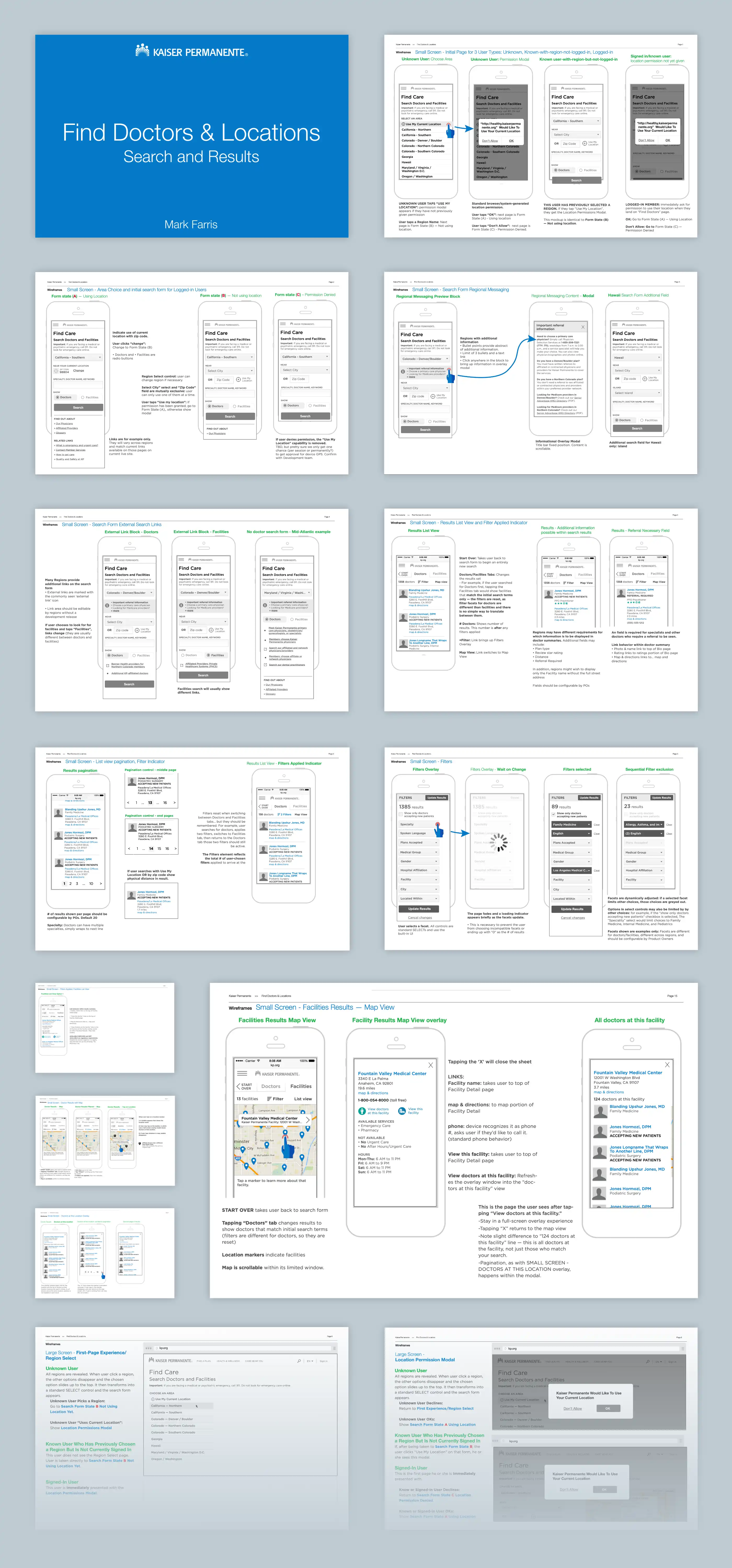
I began a wireframing process at two stages of fidelity: a quick, very rough, broad-strokes set and then a more fleshed-out, but still low-fidelity, set. I built prototypes in HTML and JS for internal demonstration and testing.
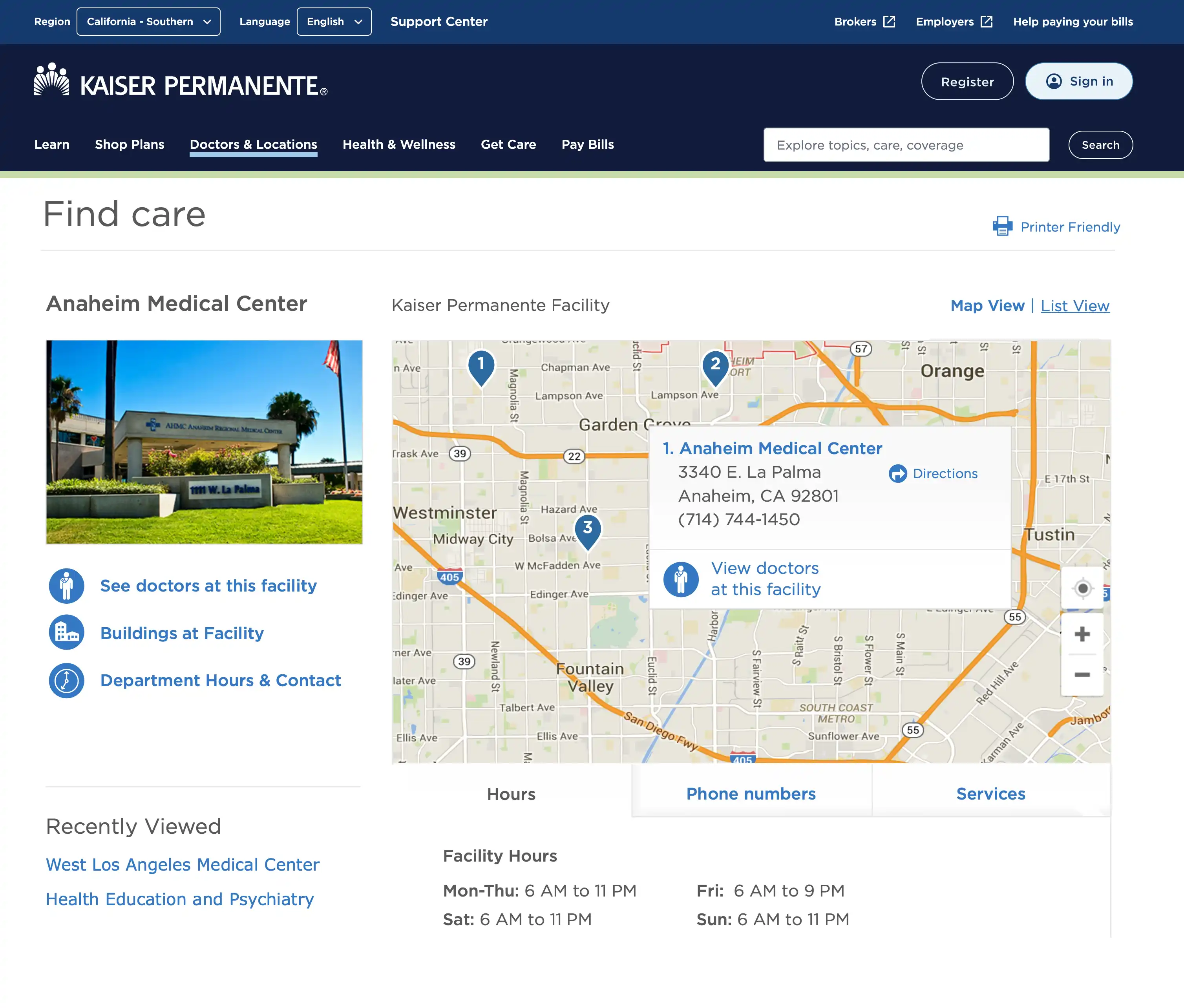
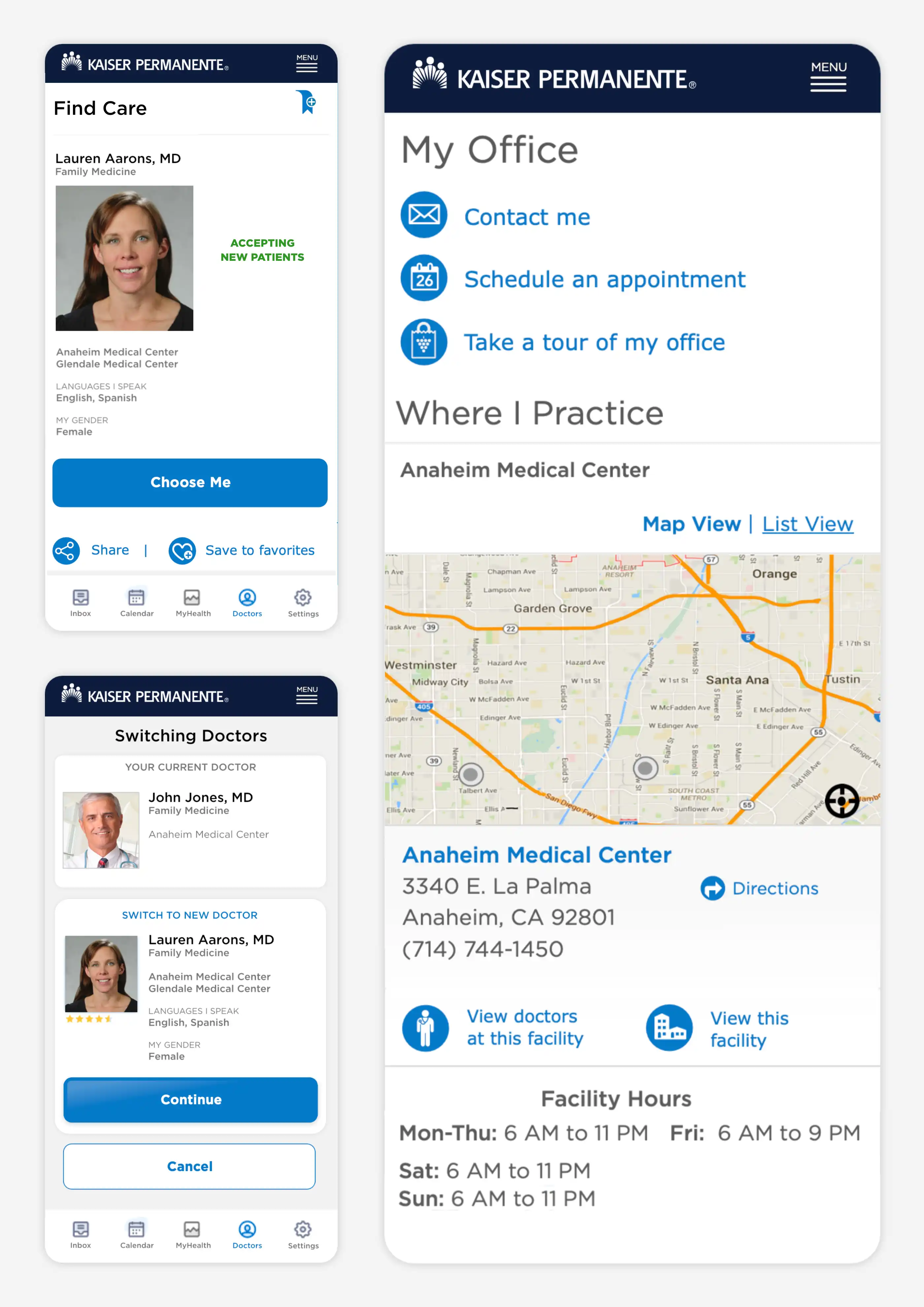
Lastly, I completed high-fidelity mockups and visual/UI design.
ACCOMPLISHMENTS:
Brought project to initial Engineering handoff in a little under 4 months, surprising everybody by “solving” a problem that had lingered for years.
Drove initiative to incorporate functional prototypes into the Kaiser UX process, which reduced project duration, “missed” features, and cost.
Nobody on the Kaiser Product/UX Design team had a programming background, so I instructed them in prototyping with no-code online tools.